
How to Choose Grade-A Teak Garden Furniture: A Buyer's Checklist
Articles
Ipul
7/18/20262 min read
How to Choose Grade-A Teak Garden Furniture: A Buyer's Checklist
"Teak" is one of the most misused words in outdoor furniture marketing. Not every plank labeled teak comes from the same part of the tree, and the difference between a piece that lasts forty years and one that splits within two seasons often comes down to grade — something most casual buyers never think to ask about.
Understand the Grades First
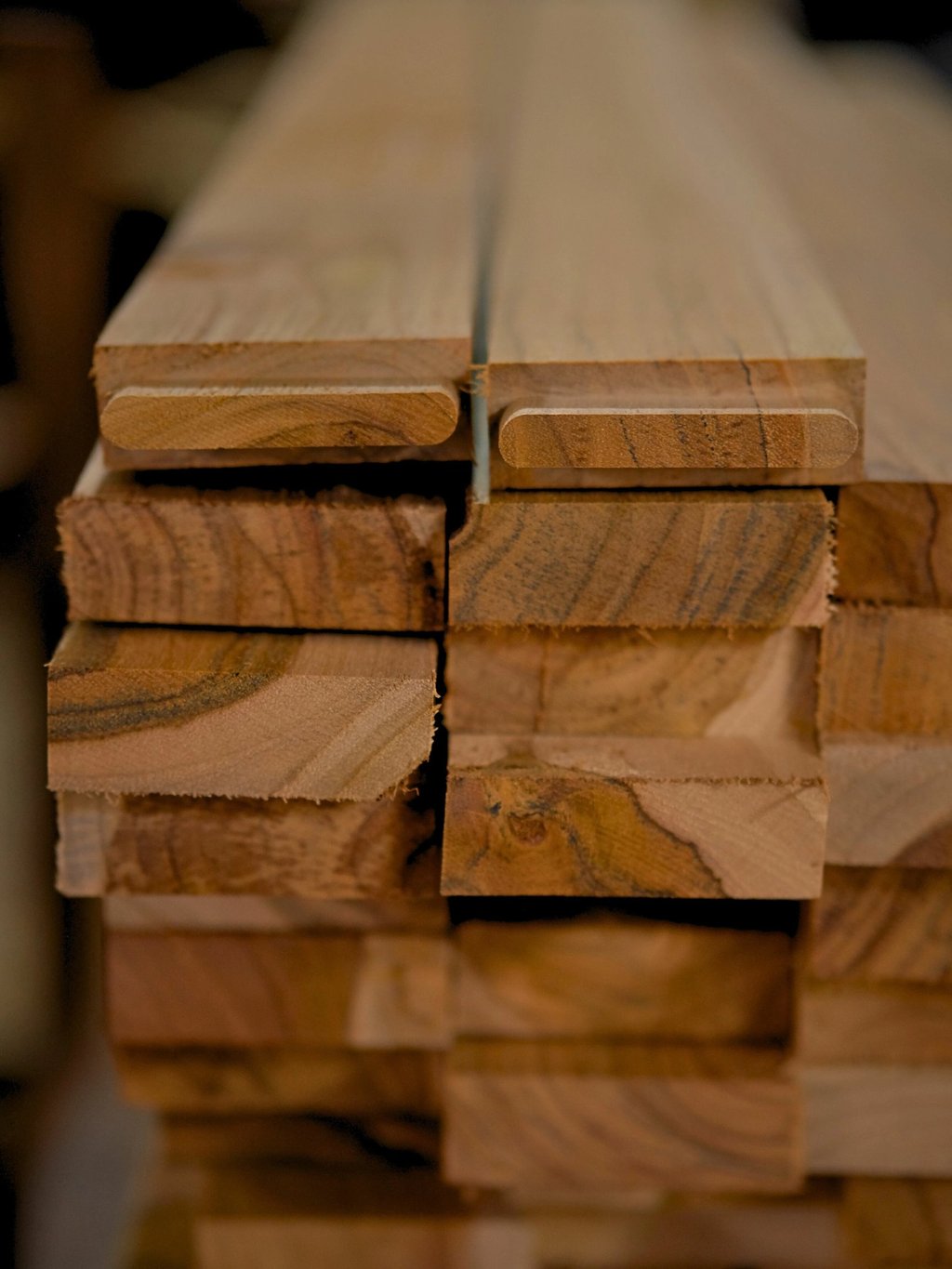
Export-quality teak is harvested from the mature heartwood of older trees. It has a tight, even grain, a rich golden-brown color, and a high concentration of the natural oils that make teak weather- and insect-resistant. Lower grades — sometimes cut from the outer sapwood — are paler, softer, and far more prone to rot and pest damage. Some low-cost exporters chemically stain sapwood to visually mimic heartwood, which is one reason grade alone isn't always visible to the eye.
The Checklist
1. Ask for the grade explicitly. "Teak" is not a specification — "Grade A teak" or "plantation-grown heartwood teak" is.
2. Check for legality certification. SVLK (Indonesia's mandatory timber legality system) or FSC certification confirms the wood was harvested and processed legally and sustainably. For any container shipment leaving Indonesia, this documentation is not optional — it's required for customs clearance in the EU, UK, and other regulated markets.
3. Look at the joinery. Traditional mortise-and-tenon joints, cut by hand or with precision machinery, outlast furniture held together mainly with glue, screws, or metal brackets — especially outdoors.
4. Ask about moisture content. Properly kiln-dried teak resists warping. Furniture built from wood that wasn't dried to the right moisture level can crack or shift once it reaches a different climate.
5. Request real photos or samples. Grain pattern and color vary piece to piece. A reputable workshop will show you actual production photos rather than only stock catalog images.
6. Confirm finish type. Oiled teak keeps its golden tone but needs occasional re-oiling; untreated teak develops a silver-grey patina naturally. Neither is "better" — it's a maintenance preference, but you should know which one you're buying.
Why This Matters More in 2026
As demand for solid wood outdoor furniture grows and buyers move away from plastic and synthetic sets, more manufacturers are entering the market — not all with the same sourcing standards. A workshop willing to answer every item on this checklist in detail, rather than deflecting to "premium quality" marketing language, is usually the safer choice for a long-term purchase.
---
Sources & References
- Azula Designs, "The Commercial Guide to Indonesian Teak Furniture Exporters" — explanation of export-quality heartwood vs. local-quality sapwood, and the risks of stained sapwood. [azuladesigns.com](https://www.azuladesigns.com/post/indonesian-teak-furniture-exporters)
- Qualiteak, "A Safe & Simple Guide To Import Furniture From Indonesia" — overview of SVLK/V-Legal certification requirements for legal timber export. [qualiteak.com](https://qualiteak.com/how-to-import-furniture-from-indonesia/)
- Best Teak Garden Furniture, "Indonesia Furniture: Premium Teak for Export" — reference on Grade-A plantation-grown teak sourcing standards. [bestteakgardenfurniture.com](https://bestteakgardenfurniture.com/)